

 Delhi NCR




 |
|



Every parent faces this question at some point - should my child spend more time indoors in structured activities

Every parent faces this question at some point - should my child spend more time indoors in structured activities, or outdoors in open play? The answer is not as simple as choosing one over the other. Every child is different, every situation is different, and both types of activities play an important role in your child’s growth.
Instead of thinking “which is better,” it is more helpful to understand what each type offers and when your child needs it more.
What Indoor Activities Actually Offer
Indoor activities are usually more controlled, structured, and focused. These include play zones, hobby classes, art sessions, dance, music, or learning-based activities.
One of the biggest advantages of indoor activities is safety and predictability. As a parent, you know the environment is monitored, equipment is designed for kids, and there is less exposure to weather, pollution, or unexpected risks.
Indoor spaces also help children build specific skills. For example:
-
Art classes improve creativity and focus
-
Dance or music helps with expression and confidence
-
Structured play zones improve coordination and problem-solving
Another important benefit is guided learning. Many indoor setups have instructors or supervisors who help children stay engaged and learn something meaningful instead of just passing time.
For parents who have tight schedules, indoor activities also feel more reliable. You can plan your child’s time, know the duration, and manage your routine around it.
Where Indoor Activities Fall Short
While indoor activities are useful, they also come with some limitations.
Children may get used to structured environments only, where everything is planned. This can sometimes reduce their ability to explore freely or make their own decisions during play.
Also, indoor spaces often have limited physical movement compared to open outdoor areas. Kids need space to run, jump, and use their full energy — something indoor environments cannot always provide.
If overused, indoor activities can start feeling repetitive for children, especially if they are attending multiple classes back-to-back.
What Outdoor Activities Give Your Child
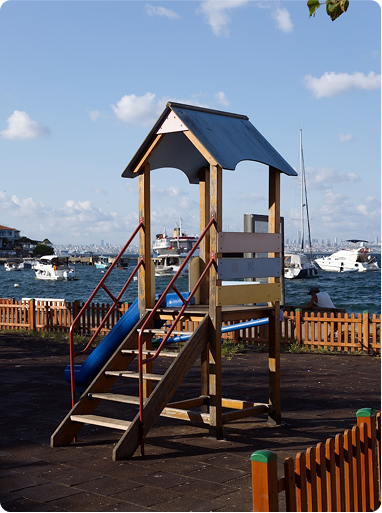
Outdoor play is completely different in nature. It is less structured, more open, and gives children the freedom to explore.
The biggest benefit of outdoor activities is physical development. Running, climbing, balancing, and playing in open spaces helps improve strength, stamina, and overall health.
Outdoor play also supports mental freshness. Being in open air, sunlight, and natural surroundings has a calming effect on children. It reduces screen dependency and helps them stay active without forcing it.
Another key advantage is social interaction. Outdoor environments naturally encourage kids to interact, make friends, and learn how to share, compete, and communicate.
Unlike indoor activities, outdoor play allows children to use their imagination freely. A simple park visit can turn into multiple games without any fixed structure.
Challenges with Outdoor Activities
Even though outdoor play is important, it is not always easy for parents to manage.
In cities, especially in areas with high traffic or pollution, outdoor play can raise safety concerns. Parents worry about hygiene, overcrowding, or lack of supervision.
Weather is another factor. Extreme heat, cold, or rain can limit outdoor options, making it difficult to maintain consistency.
Also, not all outdoor spaces are designed for kids. Some parks or areas may not have proper equipment or child-friendly setups.
So, What Should You Choose?
The real answer is — your child needs both.
Indoor and outdoor activities are not competitors. They are complementary. Each one supports a different part of your child’s development.
-
Indoor activities help with focus, learning, and skill-building
-
Outdoor activities support physical health, freedom, and social growth
If a child only spends time indoors, they may miss out on physical development and open exploration.
If a child only plays outdoors, they may miss structured learning and guided improvement.
How to Balance It the Right Way
Instead of choosing one, try to create a simple balance based on your child’s routine.
On weekdays, when time is limited, indoor activities like classes or play zones can work well. They are structured and easier to manage.
On weekends, outdoor activities should be a priority. Let your child play freely, run around, and enjoy unstructured time.
Also, observe your child’s personality:
-
If your child is very active, increase outdoor play
-
If your child enjoys focused tasks, include more indoor learning activities
The goal is not to follow a fixed rule, but to adjust based on your child’s needs.
A Practical Way for Parents to Decide
Before choosing any activity, ask yourself a few simple questions:
-
Is my child getting enough physical movement daily?
-
Is my child learning something new or building a skill?
-
Is my child enjoying the activity, or just attending it?
If the answer to all three is yes, you are already on the right track.
Final Thought
As a parent, it is easy to overthink and try to choose the “perfect” option. But children do not need perfect planning — they need variety, freedom, and the right environment at the right time.
Some days will be about structured learning. Some days will be about free play. Both are equally important.
Instead of choosing between indoor and outdoor, focus on giving your child a mix of both — that is what truly supports their overall growth.